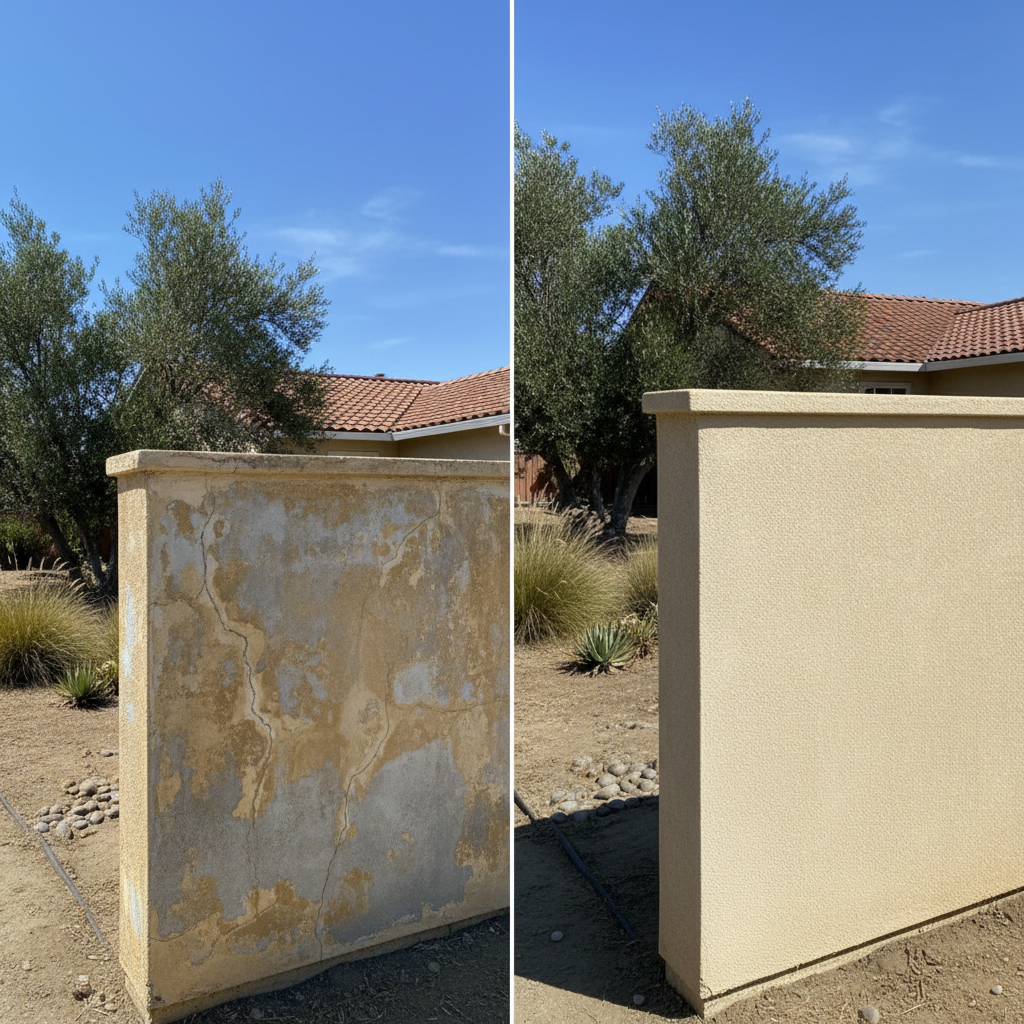
Okay, let's talk stucco for a minute. You've probably noticed some cracks, maybe a weird discoloration, or even a soft spot on your house's outside walls. Now you're thinking, "Can I just patch this, or am I in for a much bigger project?" That's a super common question, and honestly, the answer isn't always cut and dried. Here at Antioch Stucco & Plastering, we see all sorts of situations. So, I'm going to give you the real story on two main ways to fix your stucco: small, targeted repairs (what we call patching) versus a complete stucco remediation.
Targeted Stucco Repair: The Quick Fix
When we talk about targeted stucco repair, or patching, we're usually looking at problems in just one spot. Think tiny hairline cracks, a little ding from an impact, or a section that's just starting to look worn. These are the kinds of issues where the structure underneath is still solid, and the damage hasn't spread too far.
Cost
This option is usually the easiest on your wallet upfront. For those small hairline cracks, you might spend just a few hundred bucks. If you need more extensive patching—say, fixing a bigger hole or a section that's come loose—it could cost more, but it's still way less than replacing everything. We're generally talking somewhere from $8 to $20 per square foot for basic repairs, or maybe a flat rate if you've got a whole wall of cracks.
Durability & Maintenance
A good patch, when it's done right, can absolutely last. We'll clean the area thoroughly, get rid of any loose bits, and then put on new stucco in layers, making sure it sticks properly. But here's the catch: a patch only fixes what you can see. If the real reason for the damage isn't taken care of—like a constant moisture problem or the house moving a bit—that patch might not hold up for long. You could find yourself patching the same spot again later. Regular check-ups are super important for catching small issues before they blow up into big ones.
Appearance
Getting the new stucco to match the old texture and color can be a real challenge, especially on older homes. We really try our best to blend it in perfectly, but sometimes, especially when you put a fresh patch on aged stucco, you might notice a slight difference. For minor cosmetic problems, a professional repair can often bring back both the look and the protection.
Full Stucco Remediation: The Big Picture Solution
Now, full stucco remediation or replacement? That's a totally different ballgame. This is what we suggest when the damage is widespread, or, even more importantly, when there are serious underlying problems that patching just won't fix. Imagine widespread moisture getting in, large areas of cracking or separation, or if the original stucco wasn't installed correctly in the first place. Here in Antioch, with our hot, dry summers and those occasional heavy rains, moisture can really sneak in and cause trouble if the stucco isn't sealed right or if the flashing around windows and doors isn't done properly. This kind of damage can lead to rotten wood or mold behind the stucco, and you'd never see that from the outside. Scary, right?
Cost
This is definitely the bigger investment, no doubt about it. A full replacement for an average-sized home can cost anywhere from $9,000 to $13,500 or even more, depending on how big and complicated the job is. It means taking off the damaged stucco, getting down to the bare wall, fixing any structural damage, putting in a new moisture barrier, and then applying a brand new stucco system. Hauling away the old stucco adds to the bill. While it's a higher cost upfront, it's often the smarter financial move in the long run if you have major issues.
Durability & Maintenance
This is where remediation truly shines. By stripping everything back to the sheathing, we can find and fix any hidden problems like rotted wood or mold. We install a new, correct water-resistive barrier, which is absolutely vital for stopping future moisture problems, especially in our climate. A remediation done right is a long-term fix, basically hitting the reset button on your home's exterior for decades of protection. Modern stucco systems also use advanced materials that resist cracking better. You'll still want to keep up with regular maintenance, of course, but you're starting from a much more solid foundation.
Appearance
With a full remediation, you get a completely fresh start. This means your whole home will have a uniform, brand-new look with consistent texture and color. You can even pick a new finish or color if you're looking to update your home's style. It's like giving your house a whole new skin.
My Recommendation for Antioch Homeowners
So, which choice is right for you? Here's my honest opinion:
- If you've got small, isolated hairline cracks (we're talking less than 1/16-inch wide), minor chips, or just some surface discoloration, a targeted repair is probably all you need. We can patch those up, blend them in, and keep an eye on them.
- However, if you're seeing cracks all over, especially ones wider than an eighth of an inch, or if the stucco is bulging, feels soft, or you notice any signs of moisture getting in like stains or mold, you really need to think about full remediation. If more than 20% of your home's exterior shows signs of failure, a full replacement is often the smartest financial decision. These are usually clues about deeper, hidden problems that a simple patch won't solve, and ignoring them will just lead to more expensive repairs down the road.
The biggest thing I tell my neighbors right here in Antioch is not to guess. Seriously, don't just put a band-aid on a problem that might be much bigger underneath. Our dry, hot summers and those occasional wet winters can be really tough on stucco, causing it to expand and contract, which then leads to cracks. And those cracks, well, they let moisture in. Before you make any decisions, get a professional inspection. We can use special tools to check for moisture behind your stucco and give you a clear picture of what's *really* going on. That way, you can make an informed choice that protects both your home and your wallet in the long run. Antioch Stucco & Plastering is always here to help you figure out the best way forward.