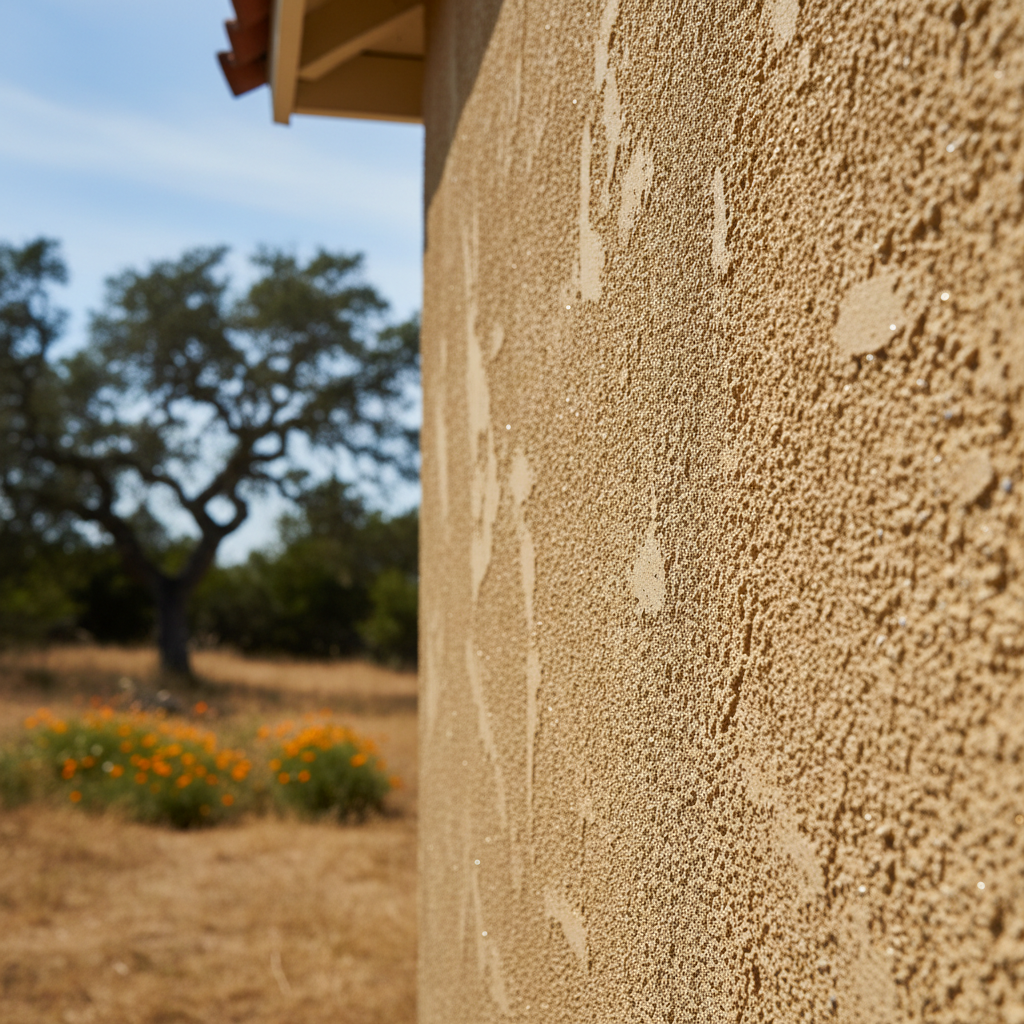
Alright, let's talk stucco inspections. You've got stucco on your home, and you want to make sure it's doing its job, right? Good. A little proactive checking can save you a whole lot of headache and money down the line. I've seen it too many times here in Antioch – folks ignore a small crack, and next thing you know, they've got a much bigger, much more expensive problem on their hands. So, here’s what you need to know about inspecting your stucco, from start to finish.
Before You Start: Get Your Head in the Game
Before you even step outside, understand this: stucco is tough, but it’s not invincible. Our Antioch climate, with those hot, dry summers and occasional heavy rains, really puts a lot of stress on exterior finishes. That constant expansion and contraction can lead to tiny hairline cracks, and those cracks? They can become entry points for water when the rain finally hits.
Your goal with a stucco inspection isn't just to spot big, obvious damage. Nope. It's about catching the little things before they become big things. Think of it like a health check-up for your house. You're looking for symptoms, not just full-blown diseases.
During the Inspection: What You Can Do Yourself
You can absolutely do a good visual inspection yourself. Grab a notepad, a pen, maybe a camera on your phone, and walk around your house. Take your time, really look. Here's what I tell my neighbors to look for:
- Cracks: These are the big one. Hairline cracks (think thinner than a credit card) are pretty common and often just cosmetic. But if you see cracks that are wider than 1/8 inch, or if they're jagged, in a spiderweb pattern, or running in zigzag lines, that's a red flag. Pay extra attention around windows, doors, and corners. These are common stress points.
- Stains & Discoloration: See any dark streaks, especially below windows or other openings? How about white, powdery stuff (that's called efflorescence)? Both are big indicators of moisture getting in and trying to get out. Sometimes you'll see green or black growth too, like mold or mildew, especially in shaded, damp spots. That means persistent dampness, my friend.
- Bulges or Blisters: If the stucco looks like it's bubbling or pushing out from the wall, that's a serious sign of trapped moisture or adhesion failure. Tap on it lightly with your knuckles; if it sounds hollow, that's not good.
- Soft Spots: Press gently on different areas of the stucco, especially near the bottom or around openings. If it feels soft or crumbly, the stucco's integrity is compromised, and there's likely water damage underneath.
- Gaps and Sealants: Check where the stucco meets other materials – like window frames, door frames, trim, or the roofline. Are there any gaps in the caulk or sealant? These are prime entry points for water. Also, look at the bottom edge of your stucco, where it meets the foundation or ground. You should have a gap there, called a weep screed, to let water drain out. If it's buried or blocked, that's a problem.
- Impact Damage: Sometimes, it's just a ding from a lawnmower or a stray baseball. Small chips or missing pieces can turn into bigger issues if water gets in.
When to Call a Pro: It's Not Always a DIY Job
Now, while you can spot a lot of things yourself, there's a point where you need to bring in someone with specialized tools and experience. Here's when you should definitely pick up the phone:
- Any sign of moisture intrusion: If you see those dark stains, efflorescence, bulging, or soft spots, don't just patch it. These are often symptoms of deeper issues that your eyes can't see. Professionals use moisture meters, and sometimes even infrared cameras or probe testing, to find out what's happening behind the stucco.
- Large or spreading cracks: If cracks are wider than 1/8 inch, getting bigger, or you see many of them, a pro needs to assess the cause. It could be structural movement, or it could be something else entirely.
- Before buying or selling: If you're buying a home with stucco, get a dedicated stucco inspection. A general home inspector might miss critical stucco-specific issues. If you're selling, knowing the condition of your stucco upfront can prevent surprises down the road.
- After severe weather: We get some pretty intense storms sometimes. After a particularly heavy rain or strong winds, it's smart to have a professional check for damage that might not be immediately obvious.
- Every few years for peace of mind: Even if everything looks fine, getting a professional stucco inspection every 3-5 years is a solid investment, especially with our local climate. It's like getting your teeth cleaned; regular check-ups prevent major work.
At Antioch Stucco & Plastering, we've seen it all. We know the unique challenges our Antioch homes face, from the soil conditions to the weather patterns. A good stucco inspection isn't about finding fault; it's about making sure your home stays protected and sound for years to come.
After the Inspection: What Happens Next
If you've done your own visual check and found some minor cosmetic cracks (the hairline kind), you might be able to tackle those with a DIY repair kit. But for anything more serious, or if you call in a pro, you'll get a detailed report. This report should clearly outline any issues, their severity, and recommendations for repair. Don't be afraid to ask questions until you understand everything. Your home is a huge investment, and keeping its stucco healthy is a big part of protecting that investment.