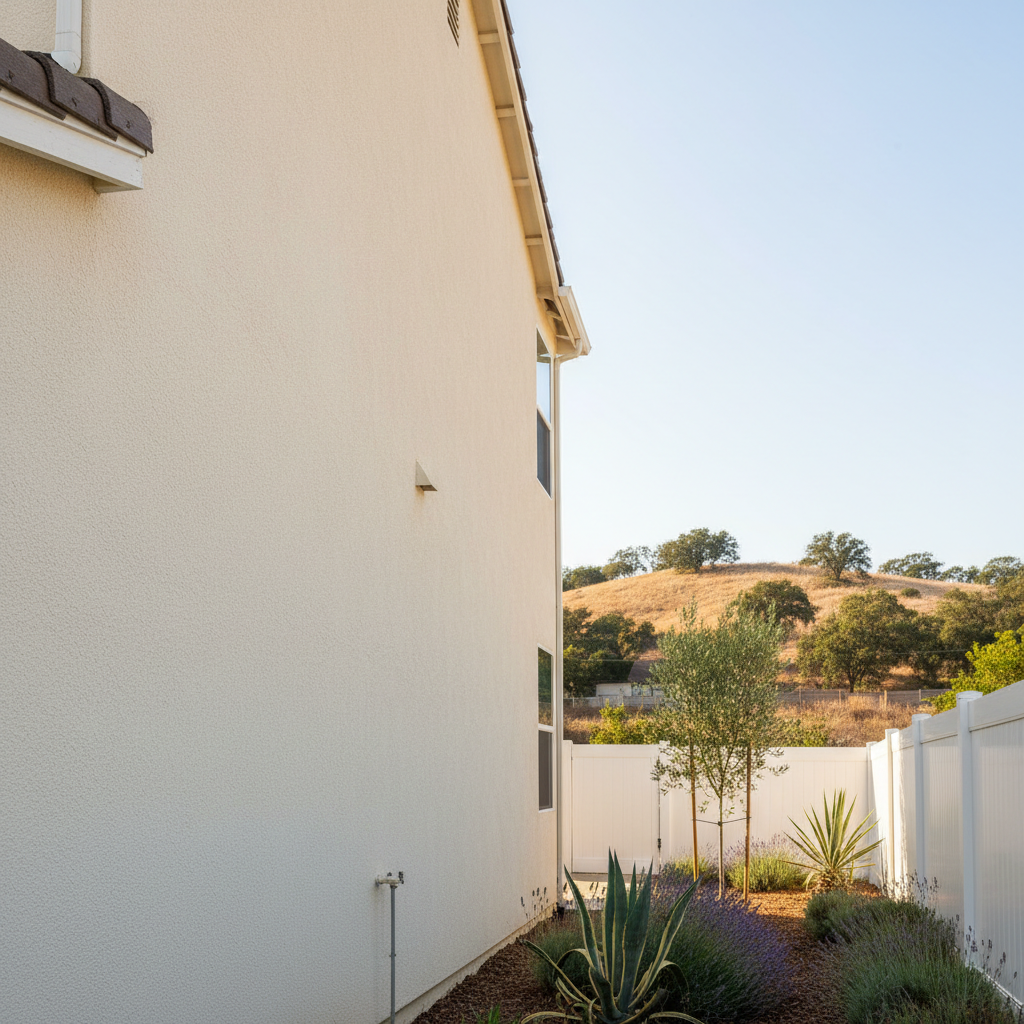
You've got stucco on your commercial building here in Antioch, right? That's smart. Stucco is tough, looks good, and holds up well to our Central Valley weather, from those scorching summer days to the damp, foggy mornings we get sometimes. But 'tough' doesn't mean 'maintenance-free.' Just like anything else, a little regular care goes a long way in making sure your investment lasts and keeps your business looking professional.
Extending the Life of Your Commercial Stucco
The best way to extend the life of your stucco isn't some secret trick; it's just good, consistent care. Think of it like changing the oil in your company car. You wouldn't skip that, would you? Same goes for your building's exterior.
Keep it Clean: Dirt, dust, and pollutants from Highway 4 can build up. That stuff doesn't just look bad; it can trap moisture and encourage mold or mildew growth, especially on north-facing walls that don't get as much sun. A gentle washing, maybe once a year or every other year, does wonders. We're talking low-pressure washing here, not blasting it with a fire hose. Too much pressure can damage the finish or even force water behind the stucco.
Manage Water: This is huge in California, especially with our rainy seasons. Make sure your gutters and downspouts are clean and directing water away from the building's foundation. Overflowing gutters can saturate stucco, leading to problems. Also, check your irrigation system. Sprinklers hitting the stucco day after day? That's a recipe for water damage and discoloration. Adjust them so they're watering your landscaping, not your walls.
Sealant Checks: Pay attention to the areas where stucco meets other materials – around windows, doors, and trim. The caulk or sealant in these spots can dry out, crack, and pull away over time, especially with our temperature swings. When that happens, water gets in, and that's when you start having real headaches. Re-caulking these areas proactively can prevent a lot of grief.
Regular Maintenance: What You Should Be Doing
Okay, so what does 'regular' actually look like? For a commercial property, I'd say a visual inspection a couple of times a year is a must. Maybe spring and fall. You or your property manager can do this yourself.
Walk Around: Take a good, close look at all the stucco surfaces. Are there any new cracks? Any discoloration? Are the expansion joints looking good, or are they starting to show wear? Check near the ground level especially – that's where moisture often wicks up.
Clean as Needed: If you see dirt or mildew, clean it. For light dirt, a soft brush and some mild detergent in water usually does the trick. For tougher stains, there are stucco-safe cleaners out there. Always test in an inconspicuous spot first.
Trim Back Foliage: Trees, shrubs, and vines growing directly against your stucco are bad news. They trap moisture, scratch the surface, and can even provide pathways for pests. Keep them trimmed back a good 6-12 inches from the wall.
Warning Signs That Something's Wrong
You'll know when your stucco needs more than just a wash. Keep an eye out for these red flags:
Cracks: Small hairline cracks are often normal, especially with our expansive clay soils around areas like Dallas Ranch. But if you see cracks that are wider than a credit card, or if they're running in a spiderweb pattern, or if they're horizontal and stepping up the wall, that's a sign of a bigger issue. These could indicate structural movement or water intrusion.
Stains or Discoloration: Dark streaks, green patches, or rust-colored stains are usually a sign of water problems. Green or black usually means mold or mildew. Rust stains often come from metal components behind or near the stucco that are corroding.
Bulges or Soft Spots: If you press on the stucco and it feels soft, spongy, or you see a bulge, that's a major red flag for water damage behind the stucco. This means the lath or sheathing underneath is likely compromised.
Peeling or Flaking Paint/Finish: If your stucco has a painted or textured finish and it's starting to peel or flake, it could be a sign of moisture pushing through from behind or a poor original application.
Efflorescence: This is that white, powdery substance you sometimes see. It's mineral salts left behind when water evaporates from the stucco. It means water is getting in and then drying out, leaving the salts behind.
When to Call a Professional
Look, a lot of the basic stuff you can handle. But there are times when you need to bring in the pros. Don't try to DIY major repairs on a commercial building; it's not worth the risk or the potential for making things worse.
Major Cracks or Structural Concerns: If you've got those wide, patterned, or stepping cracks, you need someone who knows what they're looking at. It could be a foundation issue, and that's way beyond a simple patch job.
Water Intrusion: Any signs of consistent water penetration – persistent staining, bulges, or soft spots – means you've got a leak. Finding the source of that leak and repairing the damage properly requires expertise. You don't want water sitting behind your walls, causing rot and mold.
Extensive Damage: If a large section of stucco is damaged, whether from impact, severe weather, or long-term neglect, it's time for a professional assessment and repair. Matching textures and colors, especially on a commercial building, is an art form. We've done plenty of these repairs all over Antioch, from the older buildings downtown to the newer complexes near Lone Tree Way.
Re-stuccoing or Re-finishing: If your stucco is just looking tired and worn out after years of service, or if you want to change the look of your building, a professional re-stucco or re-finish is the way to go. It's a big job that needs to be done right for longevity and curb appeal.
At Antioch Stucco & Plastering, we've seen it all. We know what our local climate does to stucco, and we know how to fix it and keep it looking good. Don't let small problems turn into big, expensive headaches. A little proactive maintenance and knowing when to call for help will keep your commercial property looking sharp and protected for decades.