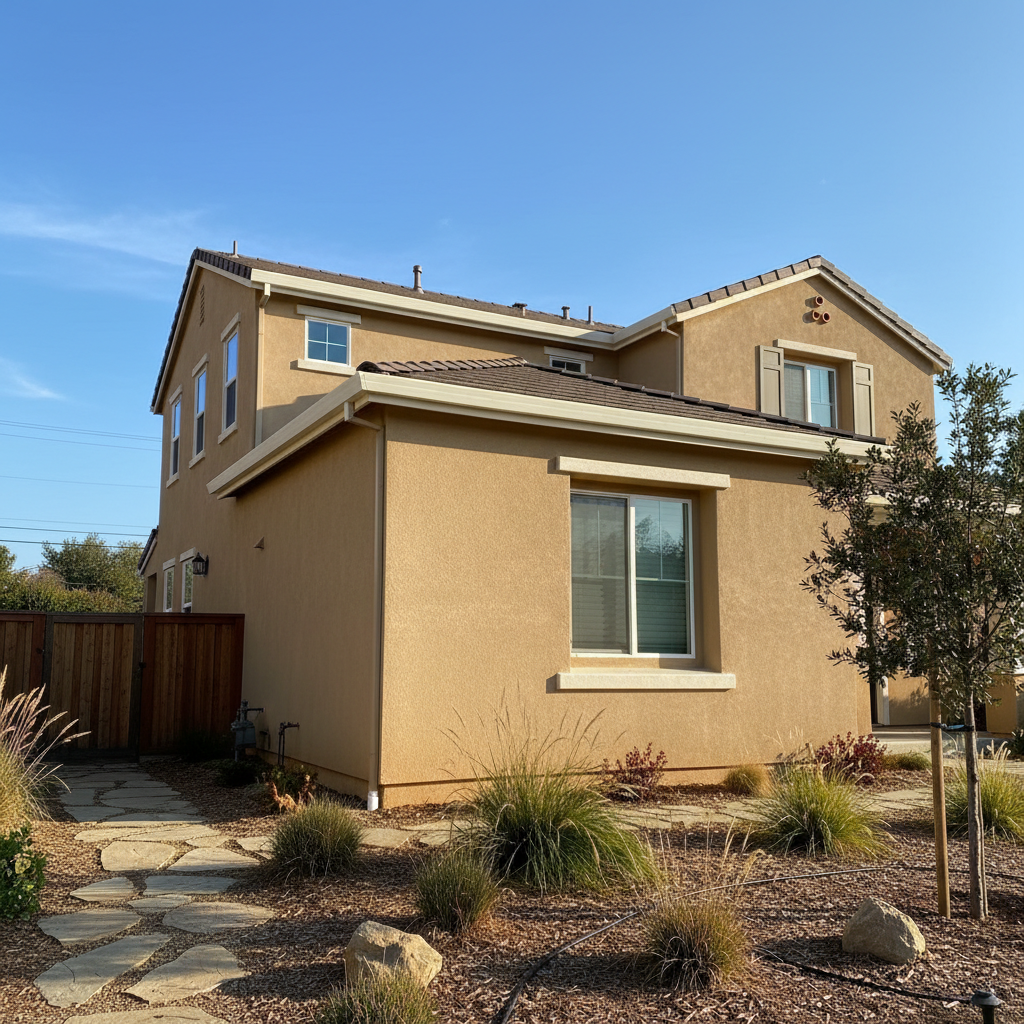
Running a business in Antioch means you've got a lot on your plate. The last thing you need is a building exterior that's falling apart or looking neglected. Many commercial properties around here, especially in areas like the Dallas Ranch development or older downtown buildings, use stucco, and for good reason. It's tough, looks good, and holds up well to our climate. But 'tough' doesn't mean 'maintenance-free.' If you want your commercial stucco to last and keep your business looking professional, you've got to give it some attention.
Extending the Life of Your Commercial Stucco
Think of your stucco as an investment. You want to protect that investment, right? The biggest thing you can do to extend its life is pretty simple: keep it clean. Our Antioch summers get hot and dry, and then we get those winter rains. All that dust, dirt, and even exhaust fumes from traffic can build up on your stucco. Over time, this grime can become a breeding ground for mold or mildew, especially on north-facing walls that don't get as much sun.
Regular cleaning isn't just about curb appeal; it prevents organic growth from taking root and potentially damaging the finish. I'm talking about a gentle wash, not a high-pressure blast that can actually harm the stucco. You'd be surprised what a good, soft wash can do.
What Regular Maintenance Looks Like
For commercial properties, I usually recommend a professional inspection at least once a year. It's like a check-up for your building. We're looking for small issues before they become big, expensive headaches. Between those inspections, here's what you or your maintenance crew should be doing:
- Visual Checks: Walk around your building regularly. Look for anything out of the ordinary. Are there new cracks? Discoloration? Any spots that look damp when they shouldn't?
- Keep it Clean: As I said, a gentle wash is key. Use a low-pressure hose and a mild detergent. Don't go at it with a power washer on full blast; that can strip the finish and force water into places it shouldn't be.
- Manage Water: This is huge, especially with our occasional heavy rains. Make sure your gutters and downspouts are clean and directing water away from the building's foundation and walls. Leaky gutters are a common cause of stucco damage. Also, check your irrigation system – sprinklers hitting the stucco day after day will cause problems.
- Trim Landscaping: Keep bushes and trees trimmed back from the stucco. They can hold moisture against the wall, scratch the surface, and even provide pathways for pests.
Warning Signs You Can't Ignore
You're busy, I get it. But some things just scream 'trouble' and need immediate attention. Don't put these off:
- Cracks: Not all cracks are the same. Hairline cracks are often just cosmetic, but wider cracks (1/8 inch or more) or cracks that run in a stair-step pattern can indicate structural movement or water intrusion.
- Stains or Discoloration: Dark streaks, especially under windows or near the roofline, are usually a sign of water getting in. Green or black patches mean mold or algae, which often points to persistent moisture.
- Soft Spots or Bulges: If you press on the stucco and it feels soft, or if you see areas that are bulging out, that's a serious red flag. It means water has likely gotten behind the stucco and is damaging the substrate.
- Peeling or Flaking Paint/Finish: This indicates the stucco isn't adhering properly, or there's moisture trapped underneath.
- Efflorescence: Those white, powdery deposits? That's salt leaching out from the stucco as water evaporates. It means water is getting into the wall.
When to Call a Professional
Look, you're not expected to be a stucco expert. That's my job. If you see any of those warning signs, or if you just have a gut feeling something's not right, pick up the phone. Don't wait until a small repair turns into a major re-stucco project. Especially with our expansive clay soils here in Antioch, building movement can sometimes cause stucco issues that need a pro's eye to diagnose correctly.
A professional, like us at Antioch Stucco & Plastering, can properly assess the damage, identify the root cause, and recommend the right solution. Sometimes it's a simple patch and seal; other times, it might involve more extensive repairs. Getting ahead of it will save you money, protect your property, and keep your business looking its best for years to come.